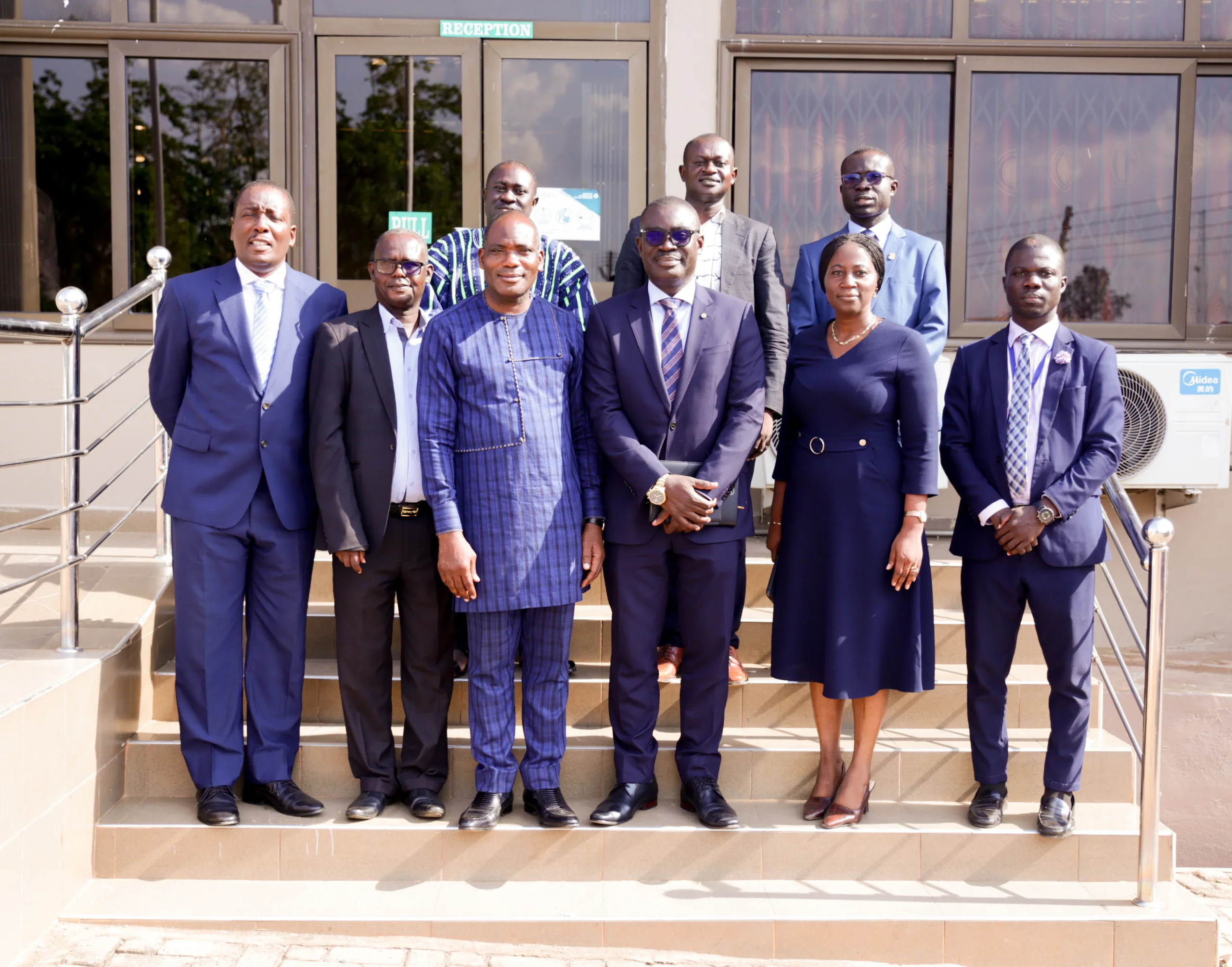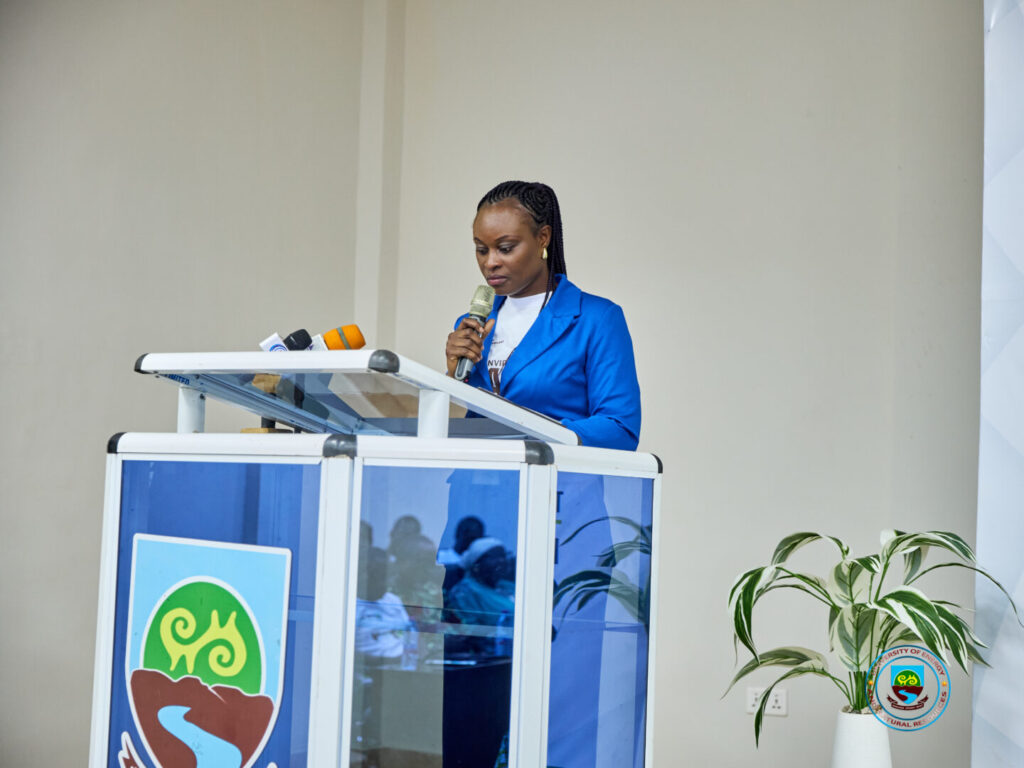
Ing. Prof. Mary Antwi, the Head of the Department of Environmental Management at the University of Energy and Natural Resources (UENR) has reaffirmed the critical role of nature-based solutions in addressing the growing impacts of climate change during the commemoration of the 2026 World Environment Day.
The event which brought together faculty, students, and staff of the School of Natural Resources to promote practical and sustainable approaches to environmental conservation was a platform to raise awareness of the urgent need for collective climate action.
Delivering the keynote address, Ing. Prof. Mary Antwi, expressed concern over the increasing effects of climate change in Ghana, citing rising temperatures, extreme weather events, and environmental degradation as clear indicators that urgent interventions are needed. She noted that the changing climate continues to threaten critical sectors of the economy, particularly agriculture, through prolonged droughts, destructive floods, intense bushfires, severe storms, and the increasing spread of vector-borne diseases. Prof. Mary Antwi referenced the devastating floods that recently affected Accra and several parts of southern Ghana after days of torrential rainfall, which resulted in the loss of lives, displacement of thousands of residents, and widespread destruction of homes and property. She described the incident as a stark reminder of the growing vulnerability of communities to climate-related disasters.
Prof. Antwi encouraged institutions and communities to embrace tree planting as a practical climate adaptation strategy. According to her these tree species require little maintenance, minimal fertilizer, and limited water while effectively removing greenhouse gases from the atmosphere. She added that they provide multiple environmental benefits, including reducing urban heat, resisting drought, preventing soil erosion, absorbing excess rainwater, capturing carbon dioxide, and improving air quality.
Beyond afforestation, Prof. Antwi called for broader policy interventions to strengthen Ghana’s climate resilience. She advocated for the use of permeable pavement blocks which are capable of absorbing rainwater to reduce flooding in urban areas, and stressed the importance of integrating climate change education into the country’s basic and secondary school curricula.
Prof. Antwi further disclosed that UENR’s Centre for Climate Change and Gender Studies (3CGS) has already taken significant steps towards environmental education by establishing climate clubs in primary, junior high, and senior high schools across the Bono and Ahafo Regions. Through these clubs, students actively participate in tree-planting exercises and other environmental activities aimed at building climate resilience within their communities.
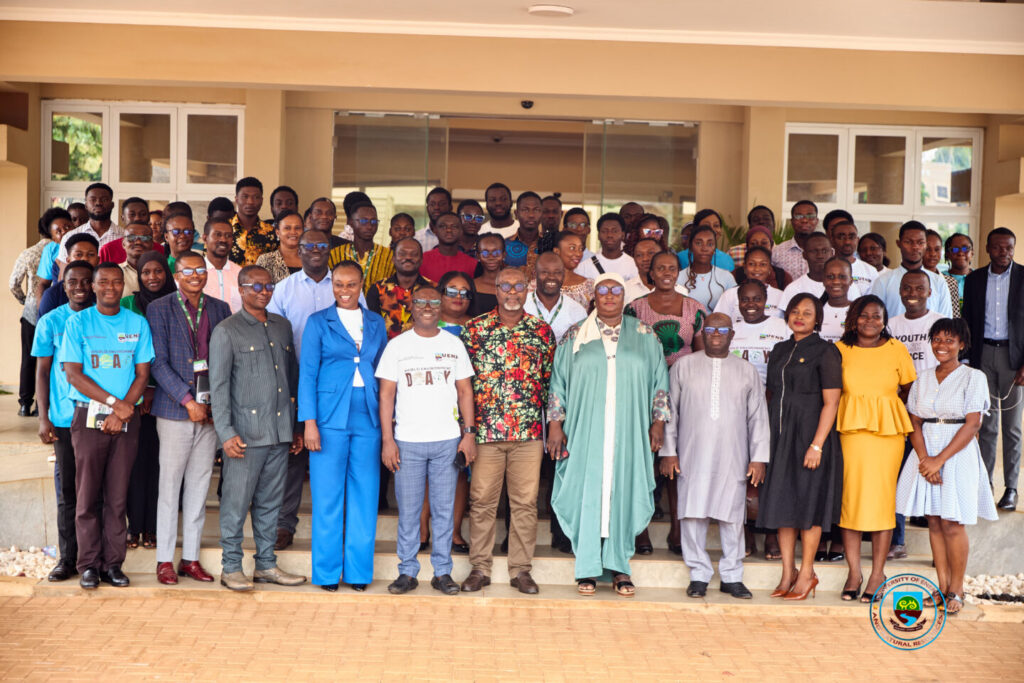
The 2026 World Environment Day celebration at UENR underscored the University’s commitment to advancing environmental sustainability through research, education, community engagement, and practical climate action, while inspiring the next generation to become active stewards of the environment.
As part of the World Environment Day celebration, students from the School of Natural Resources participated in practical sessions aimed at identifying sustainable strategies that could strengthen UENR’s climate resilience initiatives. The students highlighted several indigenous and adaptable tree species, including the rain tree (Samanea saman), Indian almond (Terminalia catappa), neem (Azadirachta indica), African oak (Uapaca guineensis), and sausage tree (Kigelia africana), as suitable species for improving urban ecosystems and mitigating climate change.