
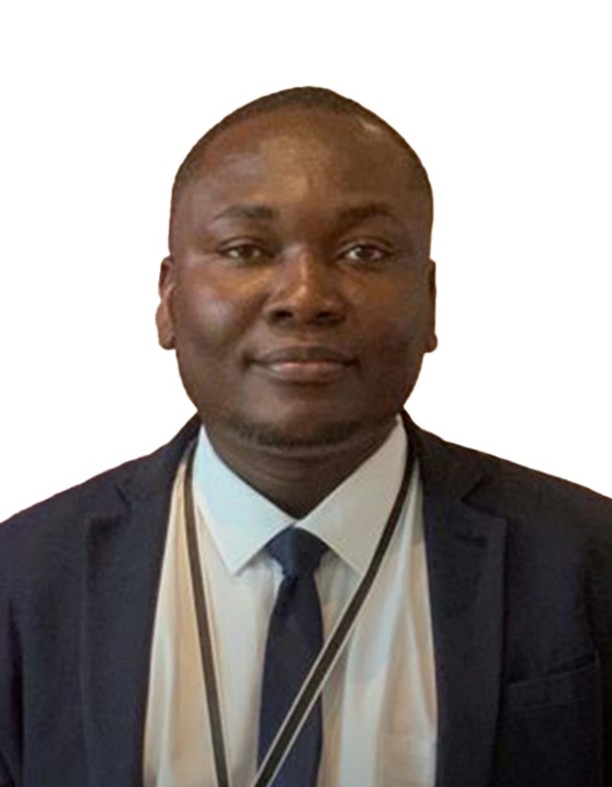
An Assistant Registrar at the University of Energy and Natural Resources (UENR), Mr David Sekyi Yirenkyi, has had his written submissions published by the United Nations human rights system following his participation in two separate UN calls for input. His contributions focus on the integration of human rights with sustainable development and the implications of corporate power in global food systems.
Mr. Yirenkyi’s first submission was made to the Office of the United Nations High Commissioner for Human Rights (OHCHR) as part of a call for input on best practices, challenges, and lessons learned in integrating human rights with the 2030 Agenda for Sustainable Development. The inputs contributed to the preparation of the report presented to the 61st session of the Human Rights Council under document A/HRC/61/13. His submission is listed under Academia, alongside contributions from institutions including Carnegie Mellon University and the University of London, as well as inputs from States and international organisations.
In a separate process, Mr Yirenkyi contributed to a call by the UN Special Rapporteur on the right to food for submissions on the concentration of corporate power in global food systems and its implications for the realisation of the right to food.
His submission is published under Individuals, where he is identified as “David Sekyi, Researcher, Ghana.” He appears alongside contributors from organisations including the Food and Agriculture Organization of the United Nations (FAO), UNICEF, Oxfam, FIAN International, and GRAIN, as well as contributors from various countries.
The two submissions provide perspectives on issues including sustainable development, human rights, food security, corporate accountability, and the protection of vulnerable communities.
Beyond these two published contributions, Mr. Yirenkyi has also engaged with other UN human rights processes. He submitted a contribution to the OHCHR in response to UN General Assembly Resolution 79/161, which addresses efforts to eliminate racism, racial discrimination, xenophobia, and related intolerance.
Through UENR’s International Relations Office, he also prepared a submission to the UN Working Group of Experts on People of African Descent on systemic racism, discrimination, and human rights concerns affecting Maroon and Afro-Surinamese communities in Suriname.
The engagements reflect Mr. Yirenkyi’s interest in human rights, international development, and public policy, while providing a platform for Ghanaian perspectives to feature in international policy discussions.
For UENR, the contributions also resonate with the University’s broader commitment to sustainable development, responsible natural resource management, and human welfare.
Mr. Yirenkyi serves in the International Relations Office of UENR, where he supports the University’s international engagement and partnerships. His participation in the UN processes demonstrates how professionals within the University community can contribute to important conversations extending beyond the institution and into national, continental, and global policy arenas.